A fixed deposit remains one of the most trusted savings options for individuals seeking steady and predictable returns. Even as digital finance tools such as a loan app become common for managing short-term needs, many savers continue to rely on FD investments to protect capital and earn consistent interest. The appeal lies in simplicity, safety, and clear outcomes, making it suitable for both new and experienced investors.
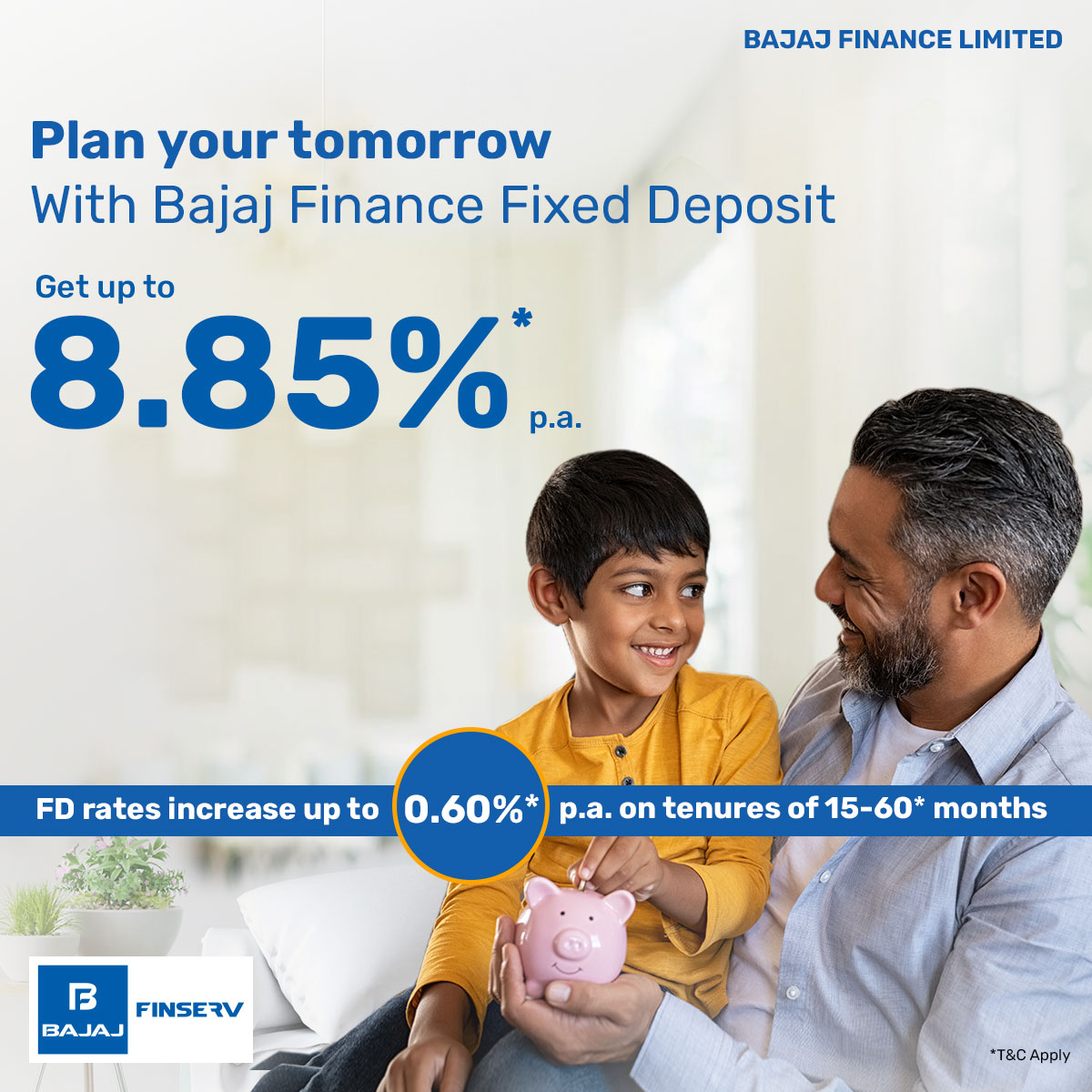
In today’s financial environment, an FD is not just a passive savings choice. When used thoughtfully, it can support long-term goals, offer liquidity planning, and complement digital financial tools. Understanding how to structure and manage a fixed deposit helps investors achieve stable growth without unnecessary risk.
Understanding the Role of a Fixed Deposit in Personal Finance
A fixed deposit is a savings instrument where a specific amount is invested for a defined period at a predetermined interest rate. The return is known in advance, which removes uncertainty from the investment process.
Why Fixed Deposits Remain Relevant
Despite the growth of market-linked products, many individuals prefer predictable income. A fixed deposit provides:
- Capital protection
- Guaranteed interest
- Flexible tenure options
- Simple account management
For people balancing long-term savings with short-term requirements handled through a loan app, an FD acts as a financial anchor.
Choosing the Right Tenure for Better Outcomes
Selecting the correct duration is a key factor in improving FD returns. Short-term deposits offer liquidity, while longer tenures usually provide higher interest rates.
Short-Term Fixed Deposits
Short-term FDs are suitable when funds may be required soon. They work well for emergency planning or bridging periods when other investments are not accessible.
Long-Term Fixed Deposits
Longer tenures support stable growth over time. These are often used for goals such as education funding or retirement planning. Investors who rely on digital borrowing through a loan app may use long-term FDs as a stable counterbalance to short-term liabilities.
Laddering Fixed Deposits for Flexibility
FD laddering involves dividing a lump sum into multiple deposits with different maturity dates. This approach improves liquidity while maintaining steady returns.
Benefits of FD Laddering
- Regular access to funds
- Reduced reinvestment risk
- Better interest rate management
This method is especially helpful for individuals who want to avoid breaking a single FD while still meeting unexpected expenses.
Using Fixed Deposits as a Backup for Liquidity
Although a fixed deposit is designed for long-term holding, it can also support short-term needs.
Premature Withdrawal Considerations
Breaking an FD before maturity may involve a penalty. However, in urgent situations, it can be preferable to withdrawing from volatile investments.
Linking Fixed Deposits with Digital Finance
Many individuals prefer managing emergencies through a loan app while keeping their FD intact. This allows savings to continue growing without disruption, while temporary cash needs are addressed separately.
Tax Planning Through Fixed Deposits
Tax implications play an important role in FD planning. Interest earned on a fixed deposit is taxable, and investors should account for this while calculating real returns.
Planning Interest Income
Staggering deposits or aligning maturity dates with income cycles can help manage tax impact efficiently. Regular review of interest earnings ensures there are no surprises during tax filing.
Fixed Deposits for Conservative Investors
For risk-averse individuals, an FD provides peace of mind. It does not fluctuate with market conditions and ensures that the principal remains protected.
Ideal Profiles for Fixed Deposits
- First-time savers
- Retirees
- Individuals with fixed income
- Those balancing credit use through a loan app
Such investors often prioritize stability over high returns, making FD a suitable option.
Reinvestment Strategies After Maturity
The maturity stage is where many investors lose potential value. Reinvesting proceeds thoughtfully can improve long-term growth.
Rolling Over Fixed Deposits
Reinvesting the principal and interest into a new FD can help compound returns. Evaluating prevailing interest rates before renewal ensures better alignment with financial goals.
Avoiding Common Fixed Deposit Mistakes
Even simple instruments like fixed deposits require planning.
Errors to Watch For
- Locking all funds into a single FD
- Ignoring inflation impact
- Overlooking tax liability
- Breaking deposits frequently
Balancing savings in an FD with access to short-term credit via a loan app can reduce the need for premature withdrawals.
Integrating Fixed Deposits into a Balanced Financial Plan
A fixed deposit should not exist in isolation. It works best when integrated with other financial tools.
Combining Safety and Accessibility
While FDs ensure stability, digital tools provide convenience. Using a loan app for immediate needs while preserving FD investments allows individuals to maintain both liquidity and growth.
This approach supports disciplined saving while adapting to modern financial habits.
Conclusion: Making a Fixed Deposit Work Smarter
A fixed deposit continues to be a dependable option for those seeking stable and predictable growth. When structured correctly, an FD supports long-term goals, manages risk, and complements digital financial solutions. By choosing appropriate tenures, using laddering strategies, and planning reinvestment, investors can maximize the value of their deposits.
In a financial landscape where tools like a loan app handle short-term requirements, a fixed deposit remains a steady foundation. Using both wisely allows individuals to maintain balance, protect savings, and achieve consistent financial progress over time.